










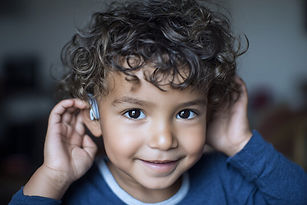












The Power of Pause: Helping Young Children Build Distress Tolerance Through Connection
One of the most powerful tools we can give young children doesn’t come in a box, an app, or a curriculum. It’s the pause. In a world that moves quickly - and where adults often feel pressure to respond instantly - learning when to pause, how to pause, and why pausing matters can make an enormous difference in a child’s development. This gentle space between a child’s distress and our response is where growth happens. It’s where emotional regulation is born, resilience takes r


Understanding Sensory Processing Differences (SPD): What’s Typical, What’s Not, and When to Get Support
Understand your child's sensory differences: Identifying when variations in the eight senses might indicate more than typical development. One of the most common concerns parents and early childhood educators share with me is: “Is this sensory behaviour normal… or should I be worried?” Sensory preferences are a completely normal part of childhood. Some kids love mess, some avoid it; some cover their ears, others seek out more noise and movement. Most of this fits within typic


What Young Children Really Need for School Success: Evidence-Based Guide for Parents & Educators (Ages 2–5)
Focus on building the brain’s foundation today, so reading, writing, and math come naturally tomorrow. When we think about preparing young children for school, it’s easy to get caught up in letters, numbers, and worksheets. But research shows that true school success isn’t about memorizing the alphabet or counting to 20 - it’s about how children learn. Learning happens through play, relationships, and meaningful experiences that strengthen the brain’s foundation for reading,


Sensory And Movement Foundations in the First Three Years: Why It Matters & How to Strengthen It
Painted hands tell a story of exploration! This is where sensory experiences and movement can work together to build confidence, coordination, and joy. From the very first months of life through the toddler years, children are not just growing; they are wiring their brains, coordinating body and mind, building the foundations of how they’ll move, explore, learn, and connect. In this post we’ll unpack why sensory and movement experiences in the 0-3 year span are so pivotal, an


Literacy Begins with Play: How Blocks, Loose Parts & Storytelling Grow Young Readers and Thinkers
Loose parts play encourages children to think symbolically, use language creatively, and develop early literacy skills through storytelling, problem-solving, and collaboration. When most people think of “literacy,” their minds jump straight to letters, books, or early reading practice. But literacy begins long before a child sounds out their first word. It starts in the block corner, under the play silks, and within the imaginative stories children tell during play. When a gr


Norm-Based vs. Criterion-Based Assessments: What Parents Need to Know
Every child develops at their own pace - but the right tools help us see where they are and how to support their next steps As a parent, you’ve probably heard terms like norm-based assessment and criterion-based assessment when it comes to your child’s development. These words can sound a little intimidating, but understanding the difference can help you feel more confident in supporting your child. Let’s break it down in a way that makes sense - and look at why a tool like


The Lifelong Benefits of Early Intervention
Early intervention isn't just about addressing challenges - it's about unlocking a child's potential. Research consistently shows that timely support can lead to profound, lasting benefits: Stronger Academic Foundations: Early support in language, literacy, and numeracy prevents future learning gaps. Enhanced Social Skills: Children learn self-regulation, communication, and empathy, which improves friendships and collaboration. Better Emotional Well-Being: Early support re


How Play-Based Strategies Boost Development
Play isn't just fun - it's a powerful engine for learning. Through play, children develop essential skills that lay the foundation for future success. The Role of Child-Led Play Child-led play is crucial for development . When children choose what, how, and with whom they play, they practice decision-making, creativity, problem-solving, and self-regulation. They explore at their own pace, follow their interests, and build confidence in their abilities. This type of play foste


5 Signs Your Child Might Benefit from Early Intervention
Every child grows and learns in their own unique way. Some walk early, others talk later, and many develop skills at their own pace. Most of the time, these differences are simply part of the wide range of “normal.” But sometimes, small patterns start to stand out - little hints that a child could use some extra support. Early intervention isn’t about pointing out what’s “wrong.” It’s about noticing where a child might be struggling, and stepping in with the right tools and e


Early Detection: How Catching Developmental Differences Early Can Change a Child’s Life
Every child deserves the chance to reach their fullest potential. And one of the most powerful ways we can make that happen is through early detection of developmental differences What is Early Detection? Early detection means noticing and understanding a child’s developmental strengths and challenges as soon as possible - sometimes even before formal school entry. It’s not about labeling or worrying; it’s about being proactive so children get the support they need, when they